PFAS destruction for water utilities
Destroy forever chemicals at the treatment plant
We break PFAS down right at the plant. We use a patent-pending process that works at room temperature. No more trucking contaminated filter media to an incinerator.
1st Place, WPI Demo Day 2026 · MIT The Engine Blueprint · Patent pending

of Americans have PFAS in their blood
per ton to incinerate spent filter media
less energy than incineration (benchtop data)
The problem
Today's PFAS treatment only does half the job
Filters pull PFAS out of the water, and that part works. The problem is the used filter media, which is still full of PFAS. Right now it gets trucked about 1,300 km and burned at 980 to 1,200 °C. PFOA and PFOS are Superfund hazardous substances, so the utility stays on the hook for that waste.
Our approach
Capture, destroy, verify
- Capture. Your existing filters pull PFAS out of the water, just as they do today.
- Destroy. Our patent-pending process breaks the captured PFAS down on site, at room temperature and normal pressure.
- Verify. We track where the fluorine ends up, so you can show the PFAS is actually gone.

Built in the lab, made for the plant
Our process came out of research at WPI. Because it runs at room temperature and normal pressure, it needs far less energy than burning PFAS-laden filter media.
Who it's for
Who we're building this for

Drinking-water utilities
You already have to hit 4 ppt for PFOA and PFOS, plus state rules like Massachusetts' PFAS6. With our system you destroy what your filters catch instead of paying to ship it off.

Wastewater treatment plants
Right now most wastewater plants can't destroy PFAS at all. We're developing a version of our system for wastewater plants too.
Regulations
The 4 ppt target isn't going away
EPA's 4 ppt limits for PFOA and PFOS are still in force, and in August a federal court upheld their listing as Superfund hazardous substances. Massachusetts also has its own 20 ppt limit on six PFAS, whatever happens in Washington.
Recognition
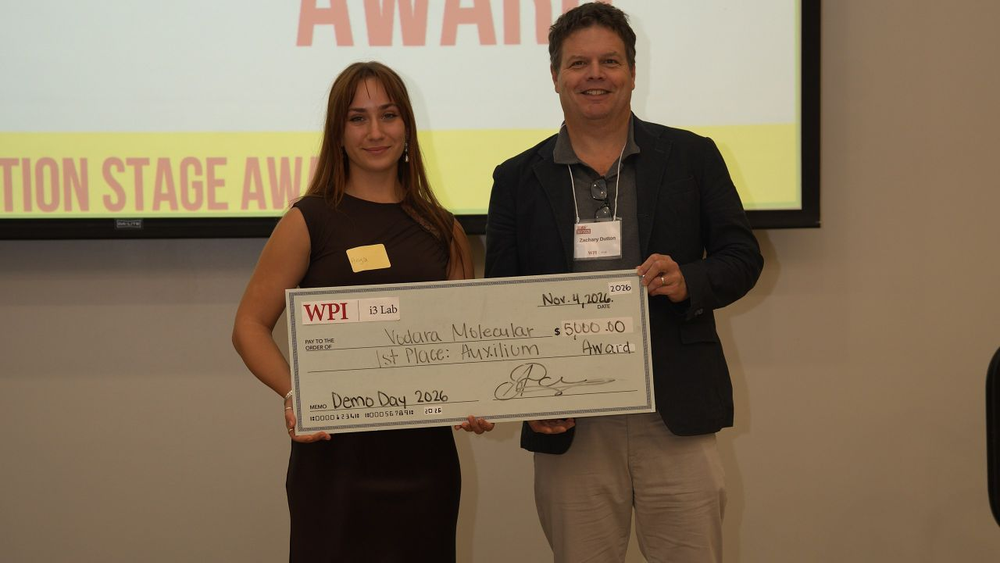
1st Place, Innovation Stage
We took first place and the $5,000 Auxilium Award at WPI's i3 Lab Demo Day 2026. Forty founders were competing for $70,000 in prizes.
Team
A small team out of WPI
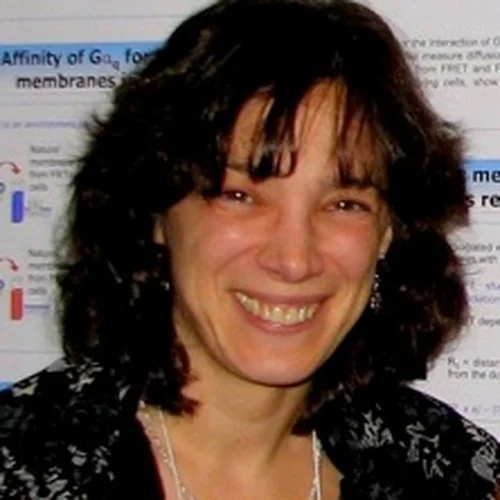 Suzanne Scarlata, Ph.D.Professor, WPI
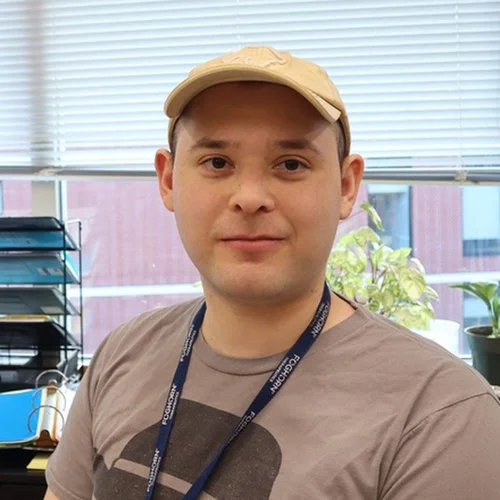 Maxwell MarkeyCo-founder · PhD candidate
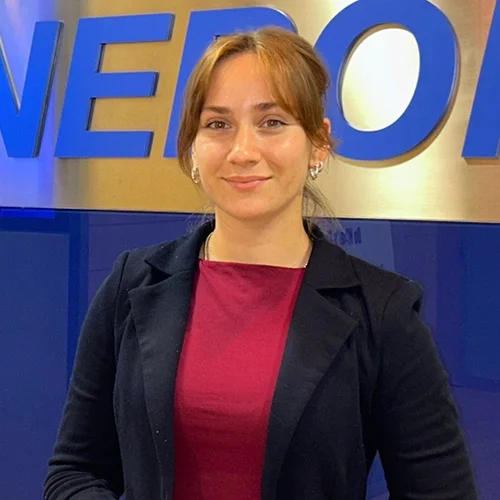 Anna SychevskyBS/MS, Biochemistry
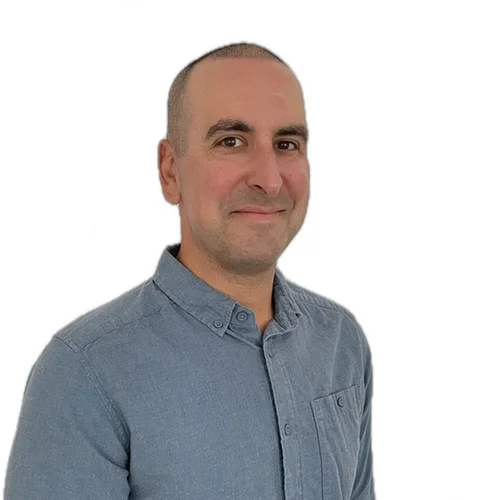 Greg Dalle-MolleTech Commercialization
Host a pilot
The benchtop system works. Next we're building a pilot unit, and we're looking for a Massachusetts utility that would host a field test.
Stock photography via Unsplash.